Summary:
- A dentist in Orange, CA typically provides preventive, restorative, and cosmetic care, including cleanings, fillings, crowns, bridges, dentures, and teeth whitening.
- Preventive visits remain the foundation of oral health, with most adults needing checkups and cleanings at regular intervals.
- Choosing a general dental practice that offers multiple services in one location can simplify ongoing care for families.
Most patients searching for dental care want a straightforward answer: a general dental practice typically covers everything from routine cleanings and fillings to crowns, dentures, and cosmetic treatments like whitening, all under one roof.
Finding a reliable Dentist in Orange, CA often starts with understanding which treatments a practice actually offers before scheduling a first visit. Orange Hill Dental Group, Joseph Sabet DDS is one example of a general practice in the area, and reviewing the categories of care that a typical family dental office provides can help patients know what questions to ask and what to expect during an appointment.
Preventive and General Dentistry
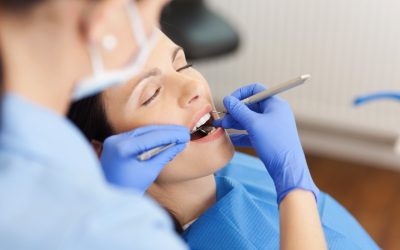
Preventive care forms the backbone of any dental practice and is usually the first service a new patient receives. These visits are designed to catch problems early, before they become painful or expensive to treat.
Common preventive and general services include:
- Routine exams and dental cleanings
- Cavity fillings
- Dental sealants and fluoride treatments
- Digital X-rays to monitor tooth and bone health
- Oral cancer screenings during checkups
According to the CDC, having at least a yearly dental checkup and professional cleaning is one of the core steps for supporting long-term oral health, alongside daily brushing and flossing. Recent federal health survey data also show that roughly two-thirds of adults nationwide had a dental exam or cleaning within the past year, according to the CDC’s 2025 National Health Interview Survey release, underscoring how central these visits are to everyday care.
Restorative Dental Services
Restorative dentistry addresses teeth that are damaged, decayed, or missing. These treatments aim to rebuild function and structure rather than simply improve appearance.
Typical restorative options include:
- Crowns, sometimes called caps, to protect weakened teeth
- Fixed bridges to replace one or more missing teeth
- Dentures and partial dentures for patients missing multiple teeth
- Dental implants as a long-term tooth replacement option
Each restorative option fits a different clinical situation, which is why an in-person evaluation matters before deciding on a treatment path.
| Service | Best For | General Longevity |
| Crowns | Cracked or heavily filled teeth | Several years with proper care |
| Fixed bridges | One to a few missing teeth in a row | Multi-year use with maintenance |
| Dentures/partials | Multiple or full tooth loss | Requires periodic adjustment |
| Dental implants | Long-term single or multiple tooth replacement | Designed for long-term use |
This table reflects general clinical categories and is not a guarantee of results for any individual case, since outcomes depend on a patient’s oral health and the treating dentist’s assessment.
Cosmetic Dentistry and Smile Enhancement
Cosmetic treatments focus on the appearance of teeth while often improving function at the same time. Many patients pursue these services after addressing underlying dental issues.
Common cosmetic services include:
- Teeth whitening, including in-office whitening systems
- Porcelain veneers
- Composite (tooth-colored) fillings
- Clear aligner orthodontic treatment
These services are frequently combined. A patient might receive whitening alongside veneers or clear aligners to achieve a more complete smile transformation, depending on individual goals and a dentist’s recommendation after examination.
Additional Services Patients May Need
Beyond preventive, restorative, and cosmetic categories, many general dental practices also address more specialized concerns as they arise.
- Periodontal (gum) disease treatment, including scaling and root planing
- Oral and maxillofacial procedures, such as wisdom teeth extractions
- TMJ (jaw joint) evaluation and management
- Sedation options, such as nitrous oxide, for patients with dental anxiety
Having access to this broader range of services in one practice can reduce the number of referrals a patient needs for interconnected oral health issues.
Frequently Asked Questions
How often should I see a general dentist? Most adults benefit from a checkup and cleaning roughly twice a year, though the right interval depends on individual risk factors and should be confirmed with your dentist.
What is the difference between restorative and cosmetic dentistry? Restorative dentistry repairs damaged or missing teeth to restore function, while cosmetic dentistry focuses primarily on improving the appearance of an already functional smile.
Can one dental office handle both routine cleanings and more complex procedures? Many general practices offer both preventive care and more involved treatments like crowns, implants, or cosmetic procedures, which can simplify scheduling for patients who prefer continuity of care.
Do I need a referral for cosmetic treatments like veneers or whitening? Typically no. Cosmetic treatments are usually scheduled directly with a general dentist after an initial consultation and exam.
Understanding the range of services a general dental practice offers can make it easier to plan ahead, whether a visit involves a routine cleaning or a more involved restorative procedure. Patients in the area who want to discuss specific treatment options can reach out directly to Orange Hill Dental Group, Joseph Sabet DDS to ask about scheduling and which services best fit their needs.