• Preventive dental care centers on routine exams, semi-annual cleanings, fluoride treatments, and sealants to stop problems before they start.
• Professional cleanings paired with daily brushing and flossing remove buildup that a toothbrush alone cannot reach.
• Comparing preventive visits against restorative treatments shows why catching issues early typically means simpler, less invasive care.
Preventive dental care means scheduling routine exams, cleanings, and protective treatments before small issues turn into bigger, costlier problems. For families in Yorba Linda weighing their options, understanding what a checkup actually includes helps set realistic expectations for every visit.
Choosing between dental practices often comes down to how thoroughly they handle the basics. Family Dental Services in Yorba Linda typically includes exams, cleanings, fluoride applications, and sealants designed to protect teeth at every age, from toddlers getting their first checkup to adults managing long-term oral health. Knowing what separates a preventive visit from a restorative one makes it easier to understand why dentists recommend consistent, scheduled care rather than waiting until a problem causes pain.
Preventive Care Versus Restorative Treatment
Preventive and restorative dentistry serve different purposes, and recognizing the distinction helps explain why routine visits matter so much.
|
Category |
Preventive Care |
Restorative Care |
|
Purpose |
Stops problems before they develop |
Repairs existing damage or decay |
|
Common Procedures |
Cleanings, exams, fluoride, sealants |
Fillings, crowns, root canals |
|
Typical Frequency |
Every six months |
As needed, based on diagnosis |
|
Invasiveness |
Minimal, non-surgical |
Varies from minor to surgical |
Preventive visits are built around stopping decay and gum disease early, while restorative work addresses damage that has already occurred. The ADA recommends that patients receive professional dental cleanings and examinations at regular intervals, with the frequency determined by the individual patient’s oral health needs, which for most healthy adults and children means twice a year.
What a Preventive Visit Typically Includes
A standard preventive appointment is more structured than many patients expect, involving several distinct steps.
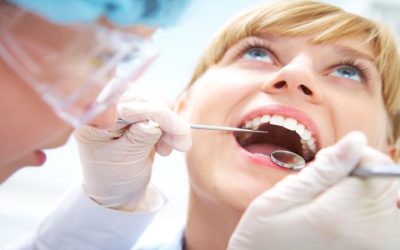
1. Medical history review – A hygienist checks for any conditions that could affect treatment before starting.
2. Cleaning – Plaque and tartar are removed from above and below the gum line using manual or ultrasonic tools.
3. Polishing – Surface stains are buffed away to leave a smoother, cleaner finish.
4. Exam – The dentist screens for gum disease, decay, and other concerns, including oral cancer indicators.
5. Fluoride or sealants, when recommended – These added layers of protection are especially common for children or patients prone to cavities.
For families comparing dental offices, this sequence is a reasonable baseline to expect from any practice offering preventive services.
Fluoride, Sealants, and Cleaning Frequency
Two preventive tools come up often in family dentistry: fluoride treatments and sealants.
• Fluoride strengthens enamel and makes teeth more resistant to decay, and it can be delivered through toothpaste, mouthwash, or in-office application.
• Sealants create a protective barrier over the chewing surfaces of back teeth, where cavities commonly start in children.
• Cleaning frequency is generally every six months for healthy patients, though higher-risk individuals may need more frequent visits.
The ADA supports the use of fluoride as a tool in cavity prevention for both children and adults, and professional treatments are a routine part of many preventive appointments. These guidelines give families a consistent benchmark when evaluating how a dental office structures its preventive offerings.
Why Routine Visits Matter for Every Age Group
Preventive dentistry is not a one-size-fits-all service; needs shift as patients move from childhood through adulthood.
• Children benefit from early exams, sealants, and fluoride to protect developing teeth.
• Teens and adults rely on consistent cleanings to manage plaque buildup and catch gum disease early.
• Older adults often need closer monitoring for issues like dry mouth or more frequent decay.
A dental office that structures preventive care around these differences gives each family member age-appropriate attention rather than a generic checkup.
Frequently Asked Questions
How often should a healthy adult schedule a preventive dental visit? Most healthy adults benefit from a cleaning and exam every six months, though some may need more frequent visits based on individual risk factors.
Are sealants only for children? Sealants are most commonly applied to children’s back teeth, but some adults with deep grooves or a history of cavities may also benefit from them.
What happens if plaque is not removed during regular cleanings? Left untreated, plaque can harden into tartar, which contributes to cavities and gum disease that may eventually require restorative treatment.
Does fluoride treatment replace daily brushing? No. Fluoride treatments support enamel strength, but daily brushing and flossing remain essential parts of a complete preventive routine.
Final Thoughts and Next Steps
Preventive dental care is a practical, low-cost way to protect oral health over time, and understanding its components makes it easier to choose a dental office that fits a family’s needs. Capstone Dental Care is a Yorba Linda dental practice offering general, restorative, and cosmetic services, including routine exams and cleanings for patients of all ages.
Families weighing their next checkup can Learn More about scheduling a preventive visit with Capstone Dental Care to discuss which cleaning schedule and protective treatments best fit their household’s needs.