In short:
- Preventive dental care stops oral health problems before they require complex treatment.
- Routine exams, cleanings, and at-home hygiene habits form the foundation of a sound prevention plan.
- A qualified oral and maxillofacial dentist in Bloomingdale can assess your individual risk and guide your care.
Preventive dental care is the practice of maintaining healthy teeth and gums through regular professional visits and consistent daily habits — reducing the likelihood that minor issues escalate into conditions requiring surgery or extensive intervention. For patients in the Bloomingdale area, working with a knowledgeable dentist bloomingdale il is one of the most effective steps toward long-term oral health.
What Preventive Dental Care Actually Involves
Preventive dentistry is not a single service — it is a layered approach combining professional oversight with patient self-care. At the clinical level, it includes:
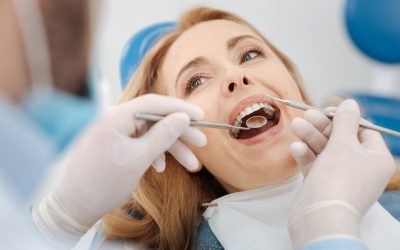
- Routine dental exams to detect cavities, gum disease, and early signs of oral pathology
- Professional teeth cleanings to remove plaque and tartar that brushing cannot address
- Oral cancer screenings and soft-tissue evaluations
- Dental X-rays to identify issues below the gumline or between teeth
- Caries risk assessment and personalized guidance on reducing that risk
The American Dental Association recommends brushing twice daily with fluoride toothpaste, cleaning between teeth daily, limiting sugar intake, and seeing your dentist regularly as the core pillars of preventive oral health.
At home, the daily routine matters just as much as the clinical visit. Good oral health begins with the “2-1-2 Rule”: brush twice a day, floss at least once daily, and visit your dentist twice annually for dental cleanings. People experiencing certain milestones, including menopause or pregnancy, should discuss with their dentist whether additional annual cleanings are needed to support shifting healthcare needs.
Why Prevention Matters Beyond the Mouth
Oral health does not exist in isolation from the rest of the body. Preventive oral care routines are critical to reducing associated health risks, including cardiovascular conditions, according to dental health professionals. Untreated gum disease and chronic oral infections have been linked to systemic inflammation, making early detection and consistent care particularly valuable.
The American Dental Hygienists’ Association 2025 Standards for Clinical Dental Hygiene Practice reflect this broader view of oral health. This fourth edition represents the first comprehensive update to the Standards since 2016 and provides an evidence-based framework to guide clinical practice. Significant enhancements include comprehensive assessment protocols that evaluate social determinants of health and risk factors, and an expanded dental hygiene diagnosis framework incorporating systemic health considerations.
Preventive visits also give clinicians the opportunity to identify conditions — such as jaw pain, bite irregularities, or early signs of bone loss — before they require surgical correction.
Preventive vs. Reactive Dental Care: A Comparison
Understanding the difference between preventive and reactive care helps patients make more informed decisions about their oral health.
| Care Type | When It Happens | Common Procedures | Typical Goal |
|---|---|---|---|
| Preventive | Scheduled, ongoing | Exams, cleanings, X-rays | Stop problems before they start |
| Reactive | After symptoms appear | Extractions, implants, TMJ treatment | Treat existing conditions |
| Maintenance | Post-treatment, ongoing | Follow-up visits, monitoring | Prevent recurrence |
Preventive care is generally less invasive and less costly over time. Reactive care — including procedures like tooth extractions, dental implants, or TMJ surgery — becomes necessary when prevention has been delayed or interrupted.
What to Expect From a Dental Practice in Bloomingdale
Boyer & Scheive, DDS, P.C. is a maxillofacial and oral surgery practice in Bloomingdale, IL, with additional locations in Wheaton and Lombard. The dental practitioners are highly trained and experienced maxillofacial and oral surgeons, and are proud members of the American Dental Association, Illinois Dental Association, Chicago Dental Association, and the American Association of Oral and Maxillofacial Surgeons.
Services include dental implants, wisdom teeth removal, tooth extractions, TMJ treatment, bone grafting, and sedation dentistry. The practice offers both nitrous oxide and IV sedation to ease patient anxiety. For patients whose preventive care has lapsed and who now require surgical intervention, having access to oral surgery services within the same trusted practice simplifies the transition from diagnosis to treatment.
Frequently Asked Questions
How often should I see a dentist for preventive care? Most adults benefit from two professional visits per year. Your dentist may recommend more frequent visits based on your individual risk factors, such as a history of gum disease, dry mouth, or systemic conditions like diabetes.
What is the difference between a cleaning and an exam? A cleaning removes plaque and tartar buildup from tooth surfaces and below the gumline. An exam involves a clinical assessment of your teeth, gums, jaw, and soft tissues to identify any developing problems. Both are typically performed at the same appointment.
Does preventive dental care cover oral surgery needs? Preventive care focuses on avoiding the need for surgery. However, if an issue is identified during a preventive visit — such as an impacted wisdom tooth or early bone loss — a referral to oral surgery services may follow as part of a coordinated care plan.
Is preventive care covered by dental insurance? Most dental insurance plans cover preventive services at a higher rate than restorative or surgical procedures. Patients are encouraged to contact their provider directly to confirm covered services and frequency limits.
Taking a proactive approach to oral health reduces the likelihood of needing complex, costly procedures down the line. If you are due for an exam or have been putting off a dental visit, reaching out to a qualified local practice is a straightforward first step. Boyer & Scheive, DDS, P.C. serves patients in Bloomingdale and the surrounding DuPage County area, offering both preventive dental care and oral surgery services under one roof. Call (630) 893-4530 to schedule a consultation.